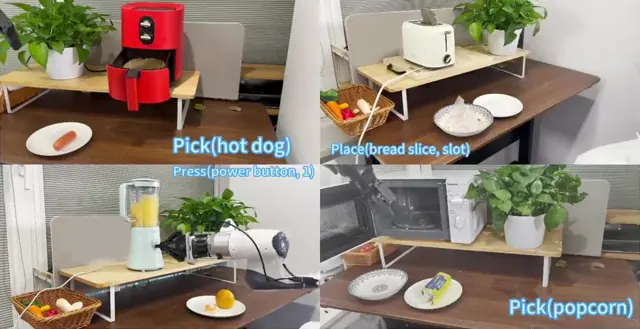
AppliancePlan learns to ground appliance parts, plan long-horizon tasks, and recover from disturbances using UseAppliance, a large-scale dataset synthesized from manuals through hierarchical appliance graphs.
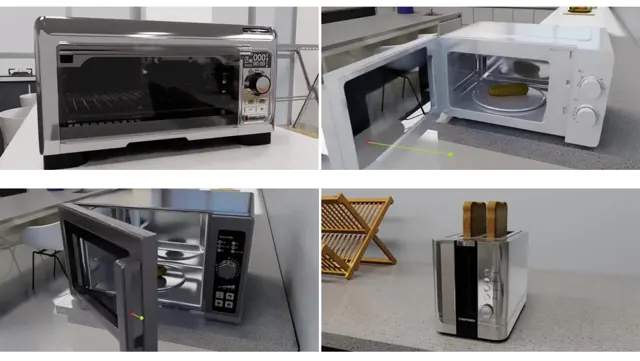
RealAppliance provides 100 realistic appliance assets with mechanical, electronic, and program behavior aligned with manuals, alongside a benchmark for grounding and manipulation planning.
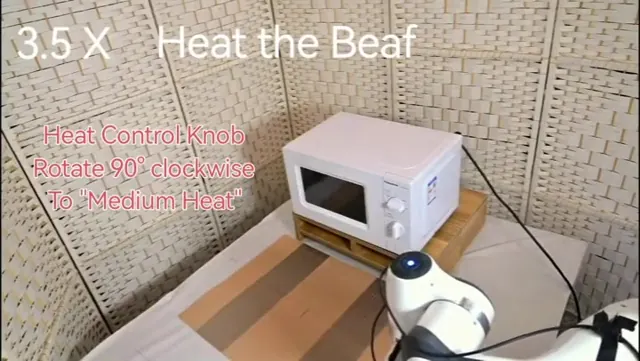
CheckManual introduces a benchmark for robots that consult appliance manuals to complete manipulation tasks, with simulated environments, evaluation metrics, and the ManualPlan planning baseline.
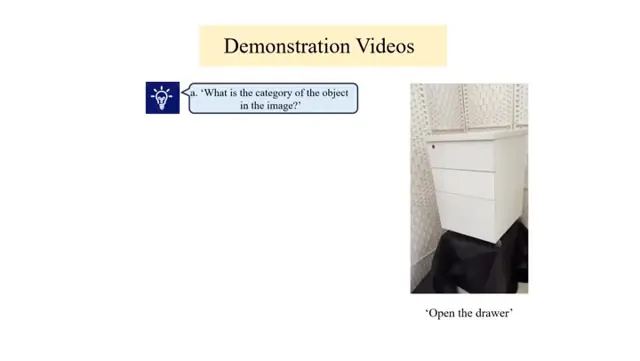
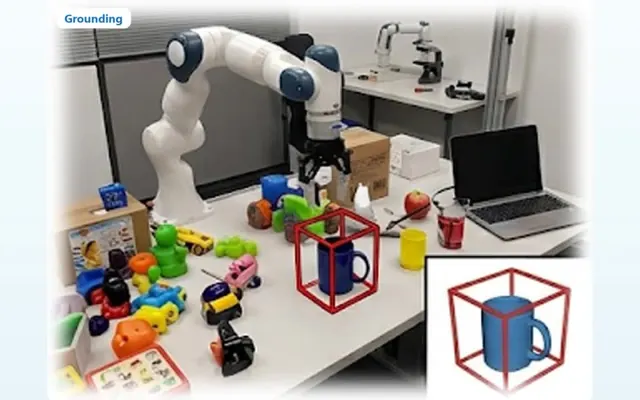
ManipLLM combines object understanding and affordance reasoning to predict manipulation contact points and end-effector poses from RGB images, with closed-loop control and real-world adaptation.
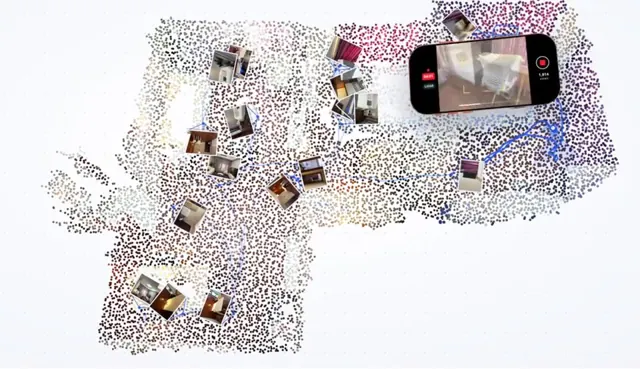
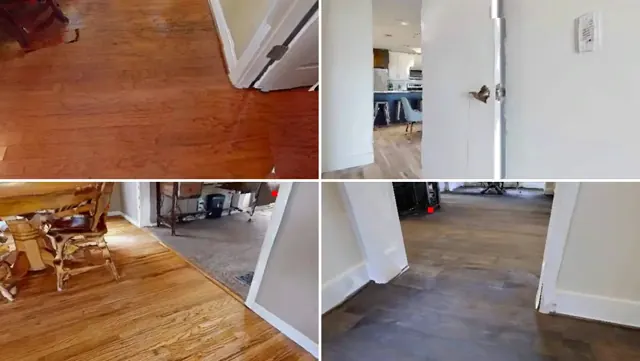
One Scan is Enough turns a single iPhone scan into a training environment with synthetic instructions, enabling navigation policies to adapt to new buildings without human demonstrations.
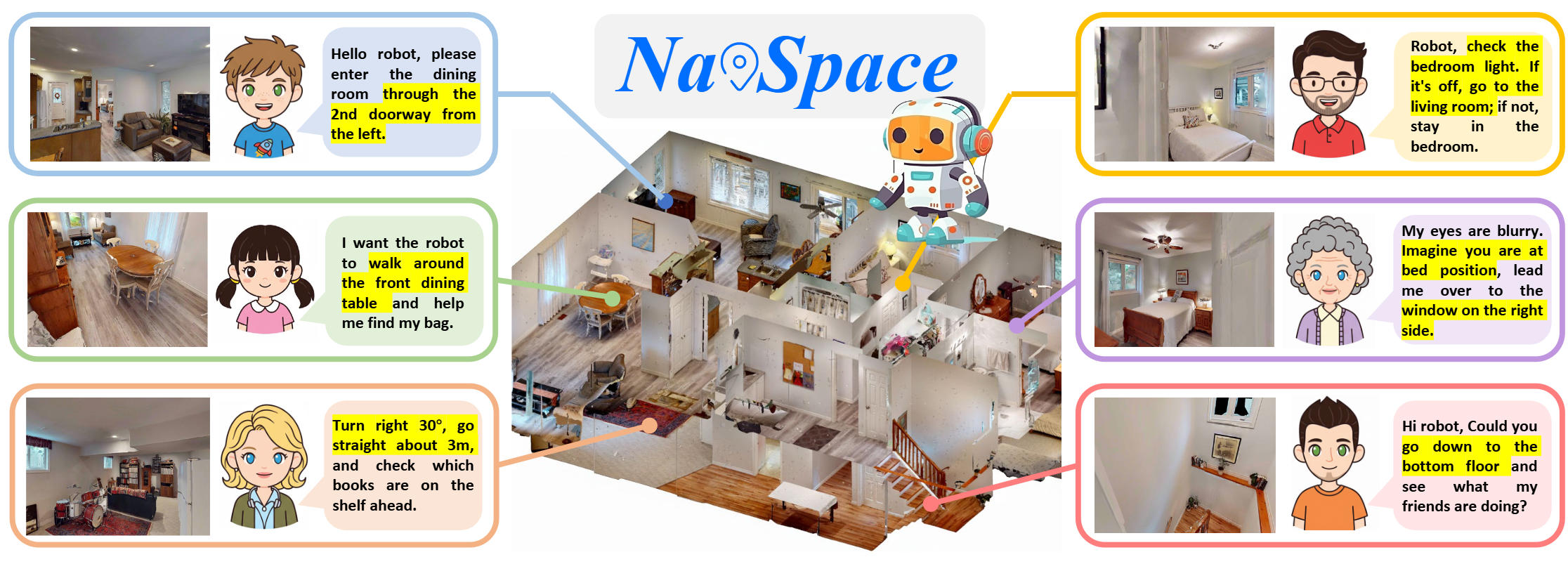
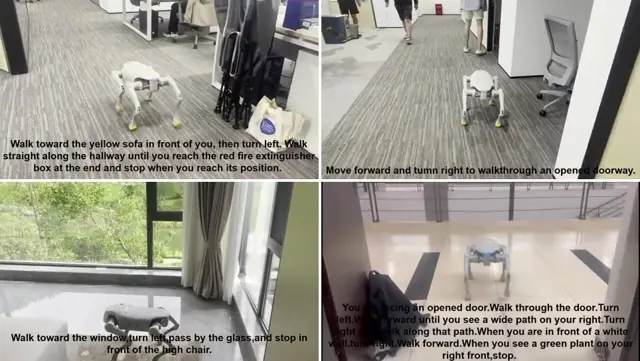
NavSpace evaluates navigation agents on six types of spatial instructions and introduces SNav, a model trained to follow these instructions in simulation and on real robots.
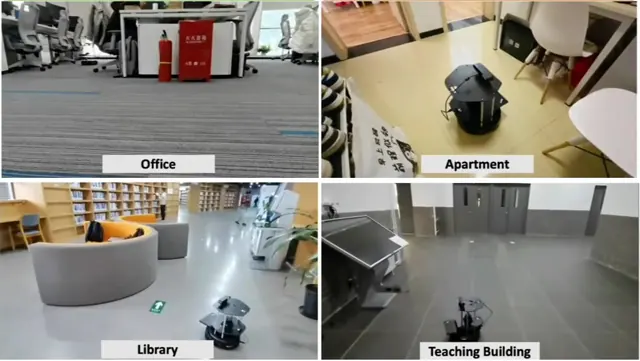
CorrectNav learns from its own navigation failures by repeatedly generating self-correction data, improving error recovery and instruction following through an iterative post-training process.
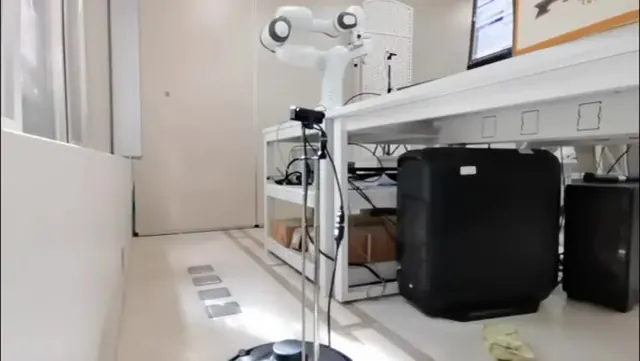
InstructNav combines dynamic navigation reasoning with multi-sourced value maps to follow diverse instructions in unexplored environments, without navigation training or pre-built maps.
DiscussNav consults specialized large models for instruction understanding, scene perception, and progress estimation before each move, enabling zero-shot navigation through multi-expert reasoning.
PixNav connects foundation models to robot movement through an RGB navigation policy guided by target pixels, supporting zero-shot object navigation with language-model planning.
Embodied3DBench evaluates spatial understanding and interaction-oriented perception through over 21K questions across six task categories, with 1.3M synthetic training examples to improve these capabilities.
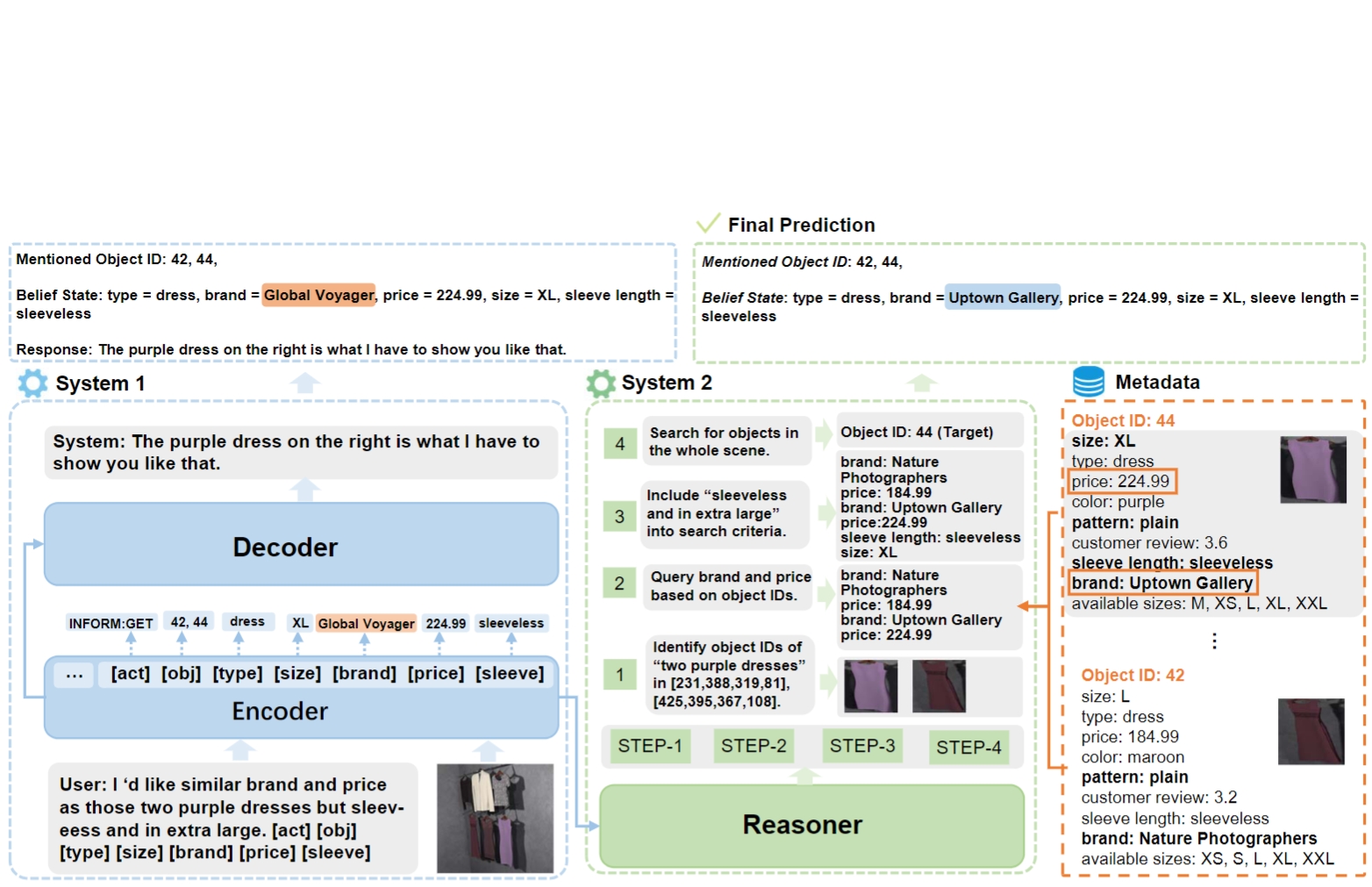
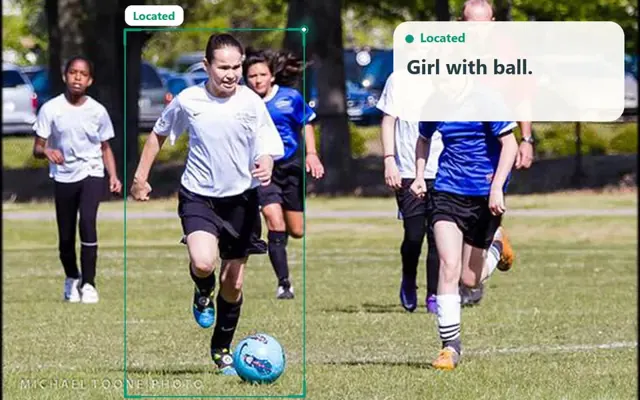
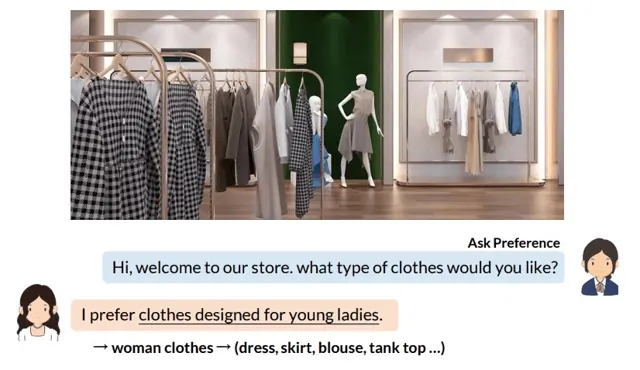
A dual-system dialogue agent combines a transformer with explicit step-by-step multimodal reasoning to locate objects, query attributes, and resolve complex user requests in visual scenes.
IREG refines object descriptions through feedback from a comprehension model, using its localization results to generate clearer referring expressions over multiple rounds of interaction.
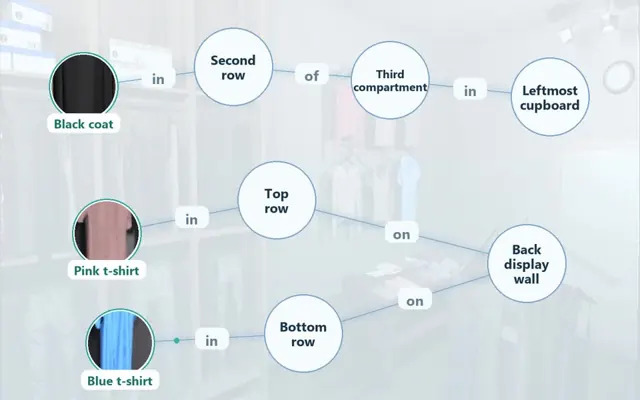
SPRING learns spatial relations and visual attributes through multimodal question answering over incremental layout graphs, improving multi-hop reasoning for dialogue in complex visual scenes.
Experience
2025–2026
JD
TGT Intern
2023–2025
AgiBot
Research Intern
Services
Reviewer
2026
IEEE Transactions on Image Processing (TIP), NeurIPS, CVPR


 JD
 AgiBot